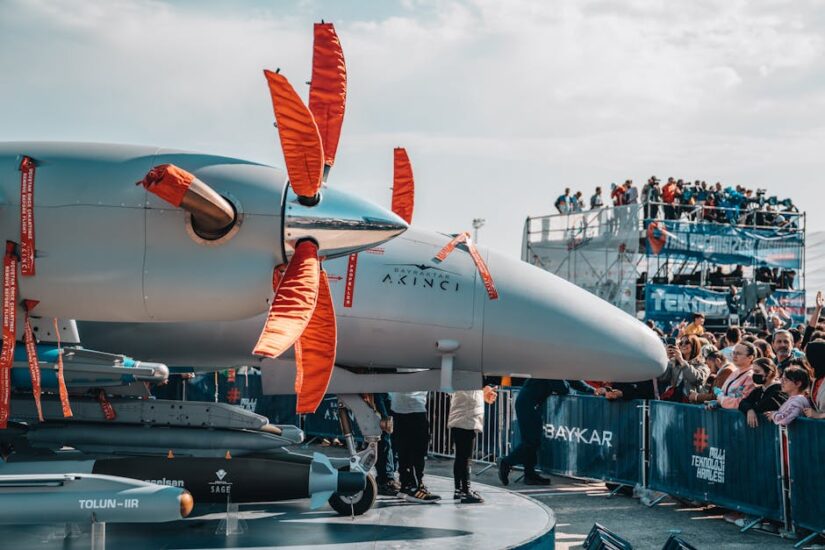
Modern drones have revolutionized the landscape of military operations, offering unprecedented capabilities in intelligence gathering, reconnaissance, and tactical support. The rapid advancement in unmanned aerial vehicle (UAV) technology has expanded the range of applications beyond traditional combat roles to include surveillance, target acquisition, and battlefield communication. Among these innovations, the integration of drones for military applications has become a cornerstone for enhancing operational efficiency and reducing the risks faced by personnel in hostile environments.
Key Roles of Surveillance Drones in Military Operations
Surveillance drones serve as the eyes in the sky, providing real-time data and imagery that are crucial for situational awareness. These UAVs are equipped with advanced sensors, including infrared cameras, radar systems, and high-resolution optical devices, enabling them to conduct persistent monitoring over vast areas. Their ability to operate discreetly and relay information back to command centers makes them invaluable for both defensive and offensive strategies.
- Border security and monitoring
- Battlefield reconnaissance
- Identification of enemy movements and positions
- Support for search and rescue missions
These capabilities significantly reduce the need for manned flights in dangerous zones, minimizing human casualties while maximizing data collection efficiency. Understanding the nuances between UAV vs drone is essential, as military contexts often use UAV to emphasize the unmanned aspect, although both terms are frequently interchangeable.
Advantages of a High Endurance Drone Platform
One of the most critical factors in military drone deployment is flight endurance. A high endurance drone platform allows prolonged missions without the need for frequent refueling or battery changes, which is vital for extended surveillance or communications relay. This endurance not only increases operational range but also enhances mission flexibility, enabling forces to maintain a persistent presence in critical zones.
High endurance platforms are often equipped with advanced propulsion systems and optimized aerodynamics to maximize flight time. These drones can operate at varying altitudes and in diverse weather conditions, further expanding their utility in complex military environments.
Comparing Commercial Drones and Military UAVs
While commercial drones have found widespread use in industries such as agriculture, logistics, and infrastructure inspection, their military counterparts are specifically engineered for robustness, stealth, and payload versatility. Military drones often incorporate hardened electronics, secure communication links, and the capability to carry specialized equipment ranging from surveillance sensors to precision-guided munitions.
Despite these differences, there is an increasing trend of adapting commercial drone technologies for military use, particularly for tasks like drone inspection and drone utility inspection. These roles involve detailed analysis of infrastructure, equipment, or terrain, highlighting the crossover between civilian and defense applications.
Expanding Roles: Drone Security and Tactical Applications
Beyond reconnaissance, drones have become essential tools for enhancing drone security and force protection. Their ability to detect and counteract threats such as enemy UAVs or ground forces adds a critical layer to battlefield defense. Additionally, drones support tactical operations by providing real-time mapping, electronic warfare capabilities, and communication relays that are resilient to jamming or cyber attacks.
- Electronic surveillance and signal intelligence
- Counter-drone systems and threat neutralization
- Communication and data relay in contested environments
- Precision targeting and strike missions
Future Perspectives on Military Drone Integration
The evolution of drones for military applications continues to accelerate, driven by advances in artificial intelligence, autonomous navigation, and sensor miniaturization. Future platforms promise greater integration with manned systems, enhanced swarm capabilities, and improved resilience against electronic warfare. As these technologies mature, drones will become even more indispensable on the modern battlefield, shaping the strategies and outcomes of military engagements for years to come.